.png)
The evolution of gambling from mechanical slot machines to today's digital platforms exemplifies the profound impact of technological advancements on this age-old entertainment form. Starting with the rudimentary slot machines of the late 19th century, which introduced a new era of leisure and entertainment, gambling has undergone multiple transformations, each shaped by technological and societal changes.
Mechanical Beginnings
The first slot machine, known as the Liberty Bell, was developed in 1895 by Charles Fey, a mechanic from San Francisco. Its simplicity, requiring users to pull a lever to spin the reels, and the instant gratification it provided made it a hit. These mechanical slot machines became staples in bars, clubs, and eventually, the first casinos. They were purely mechanical, with reels, symbols, and the exciting possibility of hitting a jackpot through a combination of symbols aligning.
.png)
Electrification and the Rise of Electronic Slots
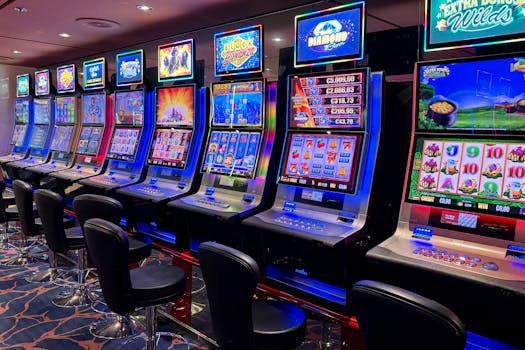
The mid-20th century brought electrification to slot machines, transitioning them from purely mechanical workings to electronic components. This change allowed for new features like flashing lights and sounds, which made the games more exciting and attractive. The introduction of electronic systems also paved the way for more reliable and complex gaming mechanisms, including the ability to offer larger, progressive jackpots and more varied game styles.
Digital Revolution and Online Gambling
The true game-changer was the internet's proliferation in the 1990s, which introduced online gambling. Online casinos began popping up, offering traditional casino games and new variations that could be played from anywhere in the world. The convenience and accessibility of online gambling attracted a wide audience, from seasoned gamblers to newcomers drawn by the novelty and ease of access.
Innovation and Mobile Gambling
Further innovation came with the advent of mobile technology. Smartphones and tablets opened new frontiers for digital gambling, making it possible to play slots, place bets, and access live casino games 24/7 from virtually anywhere. Mobile gambling appealed particularly to younger demographics, who appreciated the ability to integrate gambling activities into their daily routines seamlessly.
The Expansion of Game Variety and Features
Digital platforms have expanded the variety of games available far beyond what traditional casinos could offer. Online and mobile casinos can host hundreds—even thousands—of different games, ranging from slots and poker to bingo and scratch cards. Technological advancements such as RNGs ensure fairness, while new features like 3D graphics, virtual reality (VR), and interactive live dealer games enhance the user experience.
Challenges and Regulatory Responses
With the growth of digital gambling, significant challenges have emerged, particularly concerning security and responsible gambling. Online platforms are continuous targets for cyberattacks, compelling operators to invest heavily in cybersecurity measures. Moreover, the ease of access to gambling has heightened concerns over gambling addiction. In response, regulatory bodies worldwide have been updating their frameworks to ensure safer, more responsible gambling practices. This includes implementing self-exclusion tools, setting betting limits, and rigorous licensing conditions for online operators.
Future Prospects
Looking ahead, the gambling industry is likely to continue its trajectory of innovation. Emerging technologies like blockchain and AI are set to offer even more secure and personalized gambling experiences. Meanwhile, regulators will need to keep pace with technological developments, ensuring that the benefits of digital gambling can be enjoyed responsibly and safely.
In summary, the evolution from mechanical slot machines to digital gambling platforms reflects broader trends in technology and society, highlighting both opportunities and challenges. As gambling continues to evolve, it remains to be seen how new technologies will shape the next chapter of this enduring human activity.